
Real Work.
Real Lessons.
These are field notes from actual client work — the frameworks that held up, the approaches that didn't, and the practical lessons in between.
We'd rather publish the honest version than the polished one. If it's unglamorous but true, it's probably in here.
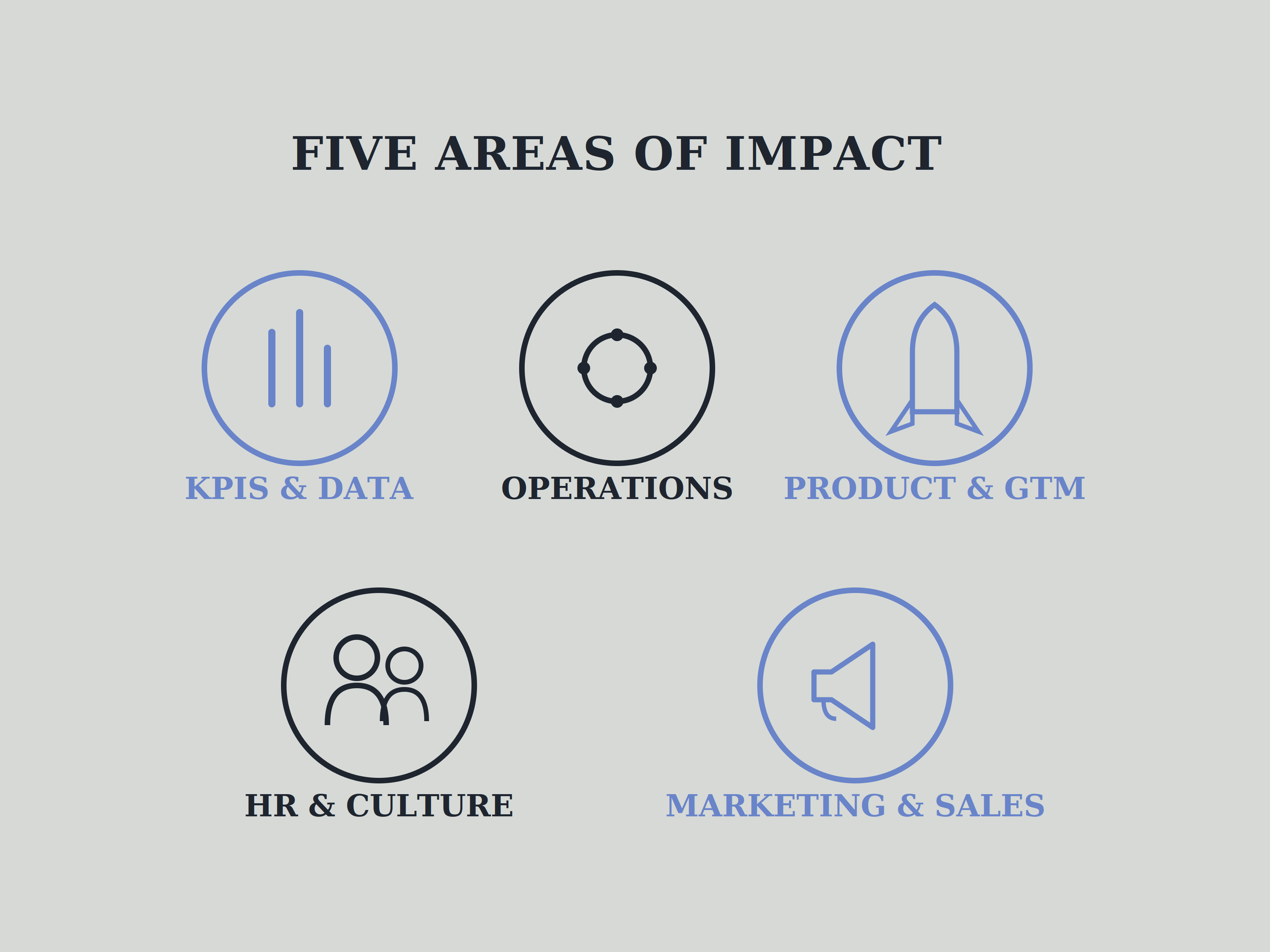
What do I do? Selected highlights from Blue Fractal’s work in 2024
Not every engagement fits neatly into 'strategy' or 'operations' — sometimes it's building a KPI dashboard from scratch, and sometimes it's running a change management workshop. This is a look back at a year of fractional COO work spanning five industries and five very different areas of the business, from data and operations to HR, marketing, and go-to-market planning. A few of the specific projects inside are exactly the kind of unglamorous, high-leverage work that never makes it onto a typical services page.
Taking Action
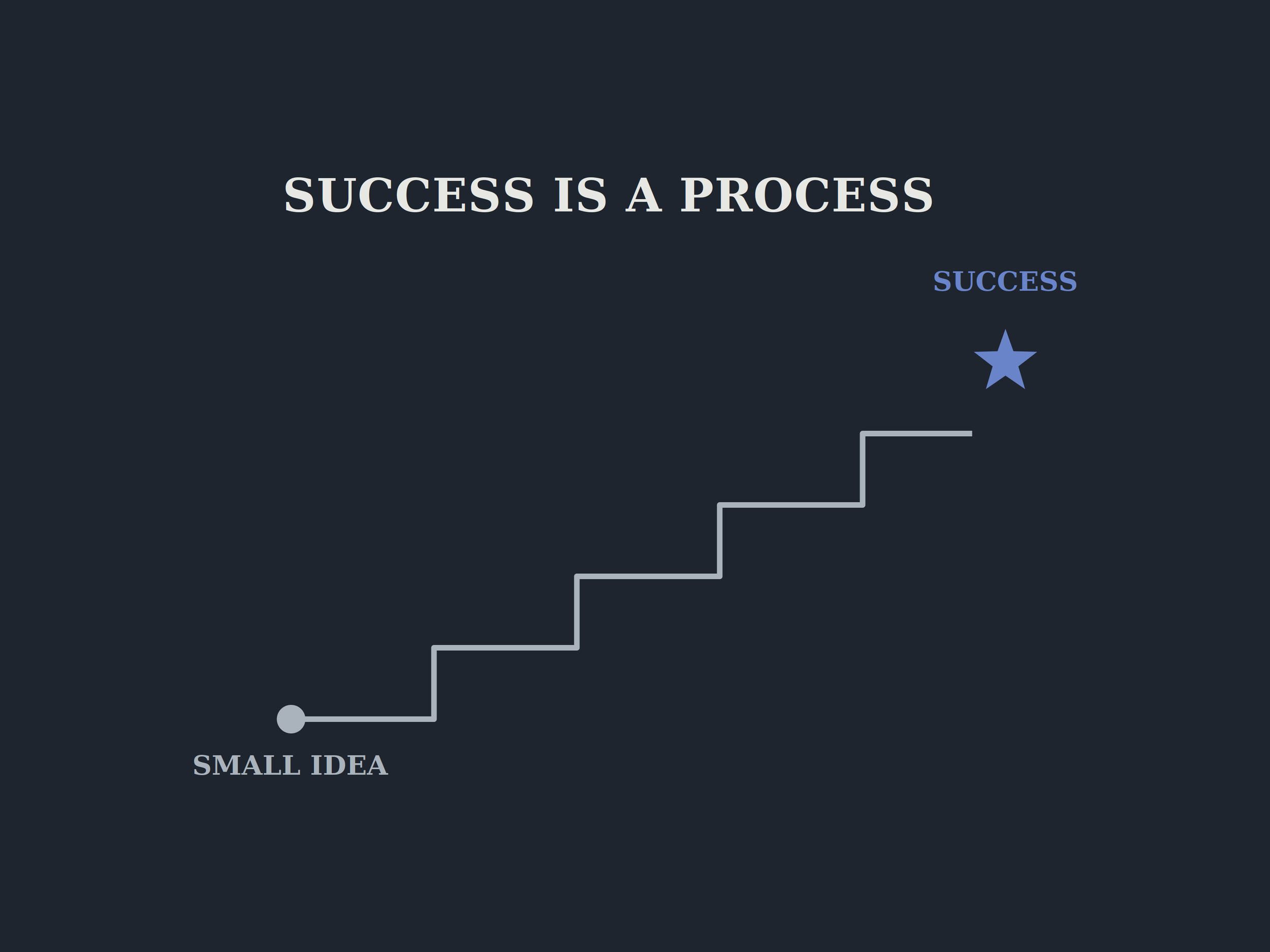
Most of us will never come up with a genuine 'big idea' — and even the ones who do don't actually have better odds of success just because of it. What separates people who build something from people who don't isn't the size of the idea; it's whether they start acting on it. Success, in this framing, looks less like a single flash of insight and more like a process you evolve your way into.
Training Will Set You Free
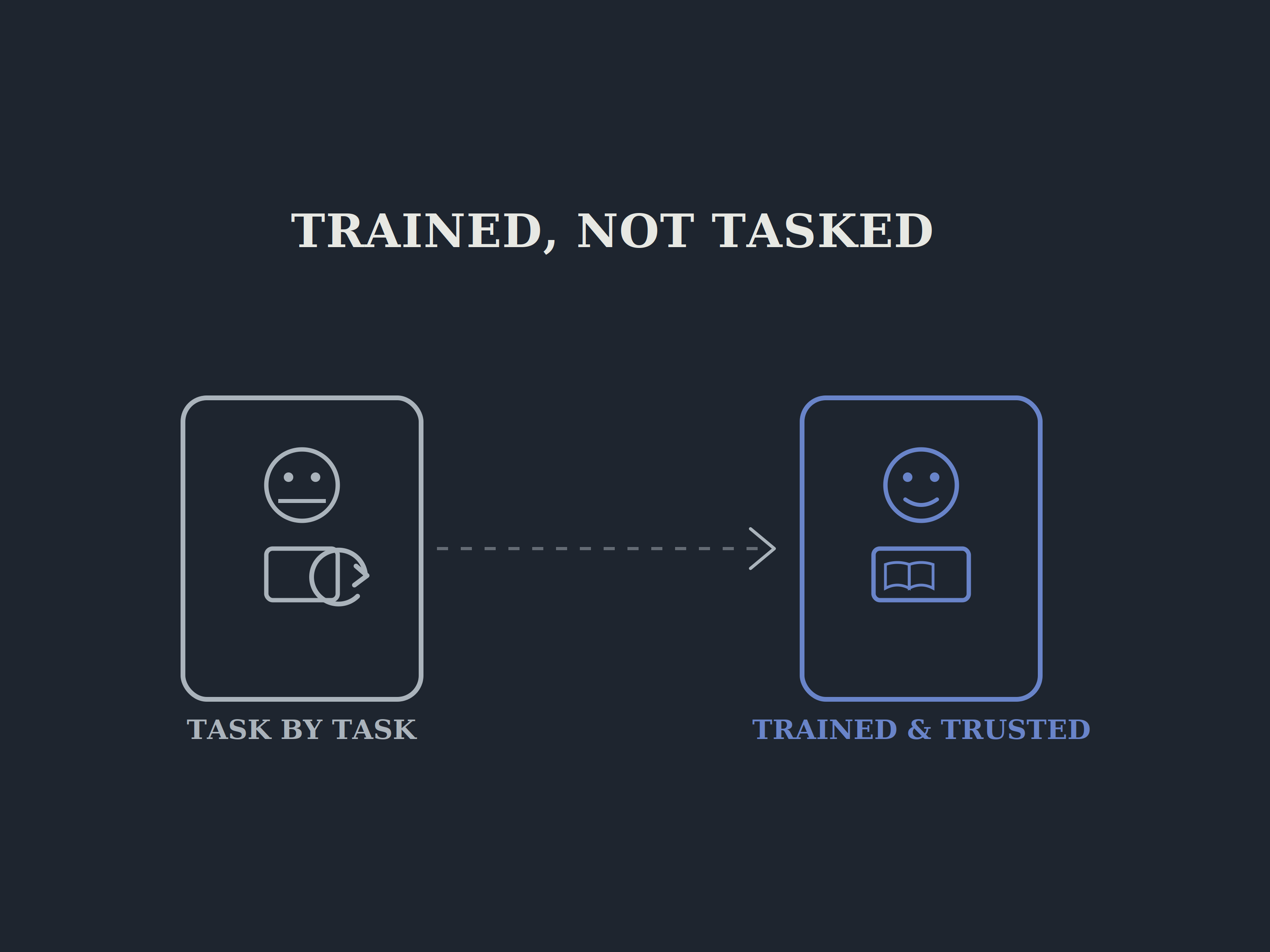
Handing off task after task to a new hire can eat up more of your time than just doing the work yourself — and eventually you run out of things to assign anyway. The alternative is to manage them through a training program instead of a task list, even having them build that documentation themselves as they go. Once you're confident they actually know how to do the job, you get to stop assigning it altogether.
What is a Fractional COO?
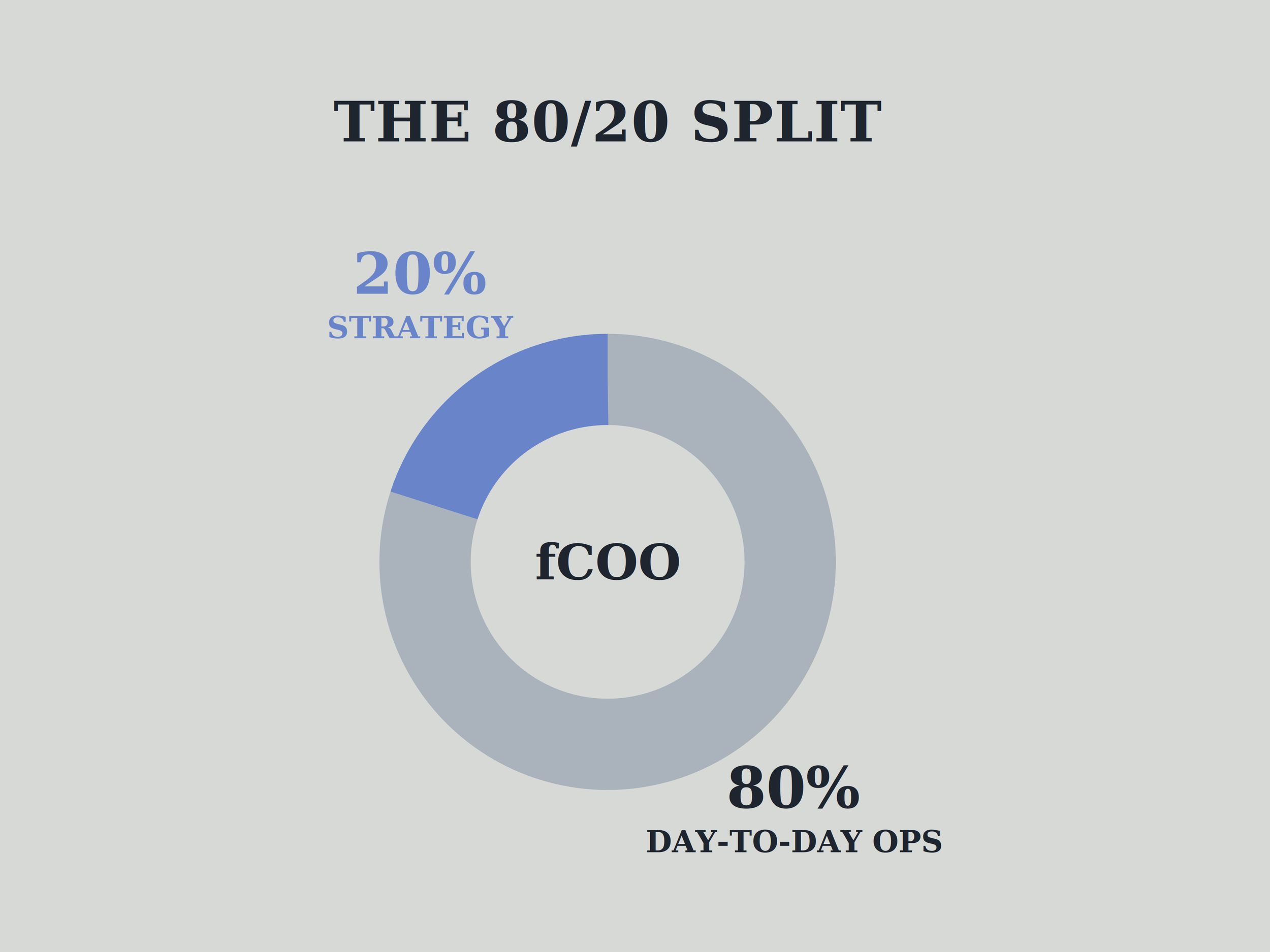
There are a lot of different definitions floating around for what a fractional COO actually does, which is part of why so many seasoned executives are still figuring out how to make the role work. The short version: a full-time COO role is usually about 80% day-to-day operations management and 20% strategic work — and a fractional COO is built specifically to focus on that strategic 20%. That distinction is also what separates the role from a VP of Ops or General Manager, who reports to the fCOO rather than the other way around.