
Real Work.
Real Lessons.
These are field notes from actual client work — the frameworks that held up, the approaches that didn't, and the practical lessons in between.
We'd rather publish the honest version than the polished one. If it's unglamorous but true, it's probably in here.
Thoughts on Prompt Engineering
Prompt engineering is already a legitimate career path, even if most companies haven't caught up to that fact yet. As models handle longer and longer reasoning sessions, the gap between a flashy demo and something reliable enough to run in production comes down almost entirely to how the prompt itself is built. There are a few techniques that make the biggest difference — and the order you write your instructions in matters more than most people assume.
Prompt Learning
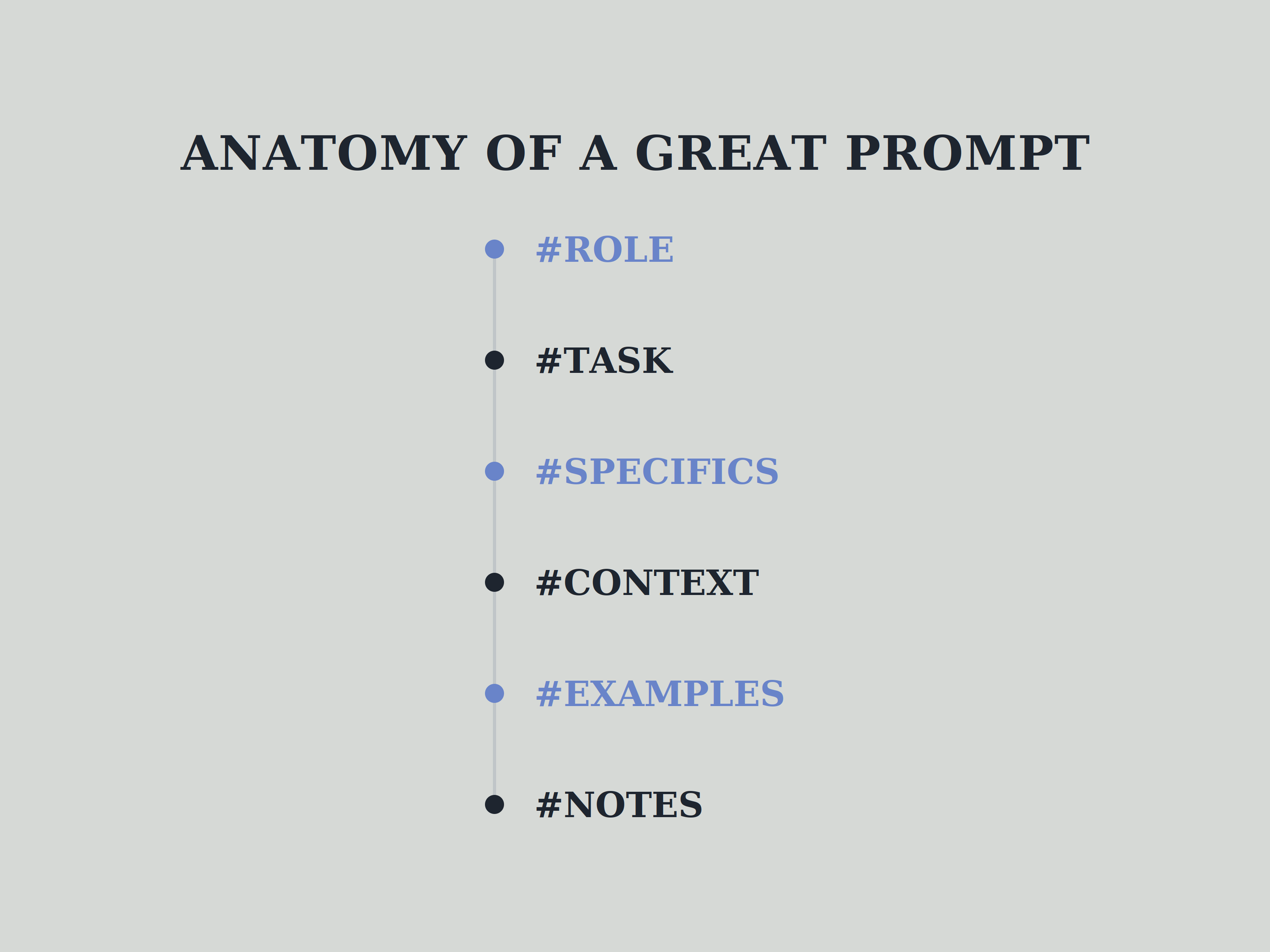
Writing a prompt can be so much more than a quick back-and-forth with Claude or ChatGPT. There's real research behind a handful of components — role, task, specific rules, context, examples, notes — that dramatically increase accuracy and cut down on hallucination. The post includes a full, copy-paste-ready prompt built around a real project, showing exactly how all six pieces fit together.